The Complete Leaseholder Guide: Service Charges, Responsibilities & Property Management Explained
Owning a leasehold property comes with a range of responsibilities and understanding how your building is managed can sometimes feel overwhelming. From service charges and communal maintenance to fire safety, insurance, alterations, and neighbour disputes, there are many important aspects of leasehold living that residents need to understand.
Whether you are a first-time leaseholder, an experienced property owner, or a landlord renting out your flat, understanding your rights and obligations can help you avoid unnecessary disputes, unexpected costs, delays, and compliance issues.
At Markson Property Management, we believe that clear communication, transparency, and proactive management are essential to creating safe, well-maintained, and enjoyable living environments. This guide explains how residential property management works, what managing agents are responsible for, and what is expected from leaseholders living within a managed development.
If you would like to learn more about our residential property management services, please visit our Property Management page – Property Management Services in Bristol | Markson
Prefer to read this guide offline?
Download the complete Leaseholder Guide as a PDF here. – The Complete Leaseholder Guide PDF
What Does a Property Managing Agent Do?
A property managing agent helps oversee the day-to-day running of a residential building or estate, ensuring communal and shared areas are maintained in accordance with lease agreements, covenants, and relevant regulations.
Professional block management helps ensure developments remain safe, compliant, financially stable, and well-maintained for all residents.
The role of a managing agent typically includes:
- Communicating with residents
- Coordinating maintenance and repairs
- Managing contractors and suppliers
- Ensuring health and safety compliance
- Managing service charge budgets and finances
- Enforcing lease terms and covenants
- Assisting with insurance matters
- Providing consent for alterations
- Supporting leaseholders during property sales
While managing agents oversee operational matters, major decisions such as large capital expenditure, approval of major repairs, or changes in service charge policy remain the responsibility of the board of directors or freeholder unless authority has been specifically delegated.
To learn more about how Markson manages residential developments, visit – Property Management Services in Bristol | Markson
Communication with Residents
Clear communication is one of the most important aspects of effective property management.
As the intermediary between residents and the client (board of directors or freeholder), managing agents act as the first point of contact for concerns, maintenance issues, requests, or complaints relating to communal areas and estate management.
Managing agents also communicate important information to residents, including:
- Upcoming maintenance works
- Changes to policies or procedures
- Service charge notices and updates
- Health and safety information
- Emergency repair notifications
Official communications are sent from:
blockmanagement@markson.uk
Correspondence Address:
Markson Property Management Ltd
Markson Group
41 Alma Vale Road
Clifton
Bristol
BS8 2HL
If you need to contact our team, please visit our Contact Page – Contact Us | Markson | Property & Construction Experts
The Role of the Board of Directors
The board of directors plays an important role in overseeing the management of a residential development. Directors are often volunteers who balance these responsibilities alongside their professional and personal commitments.
Decisions are generally made based on what is best for the building or estate, taking into consideration:
- Financial implications
- Lease obligations
- Long-term maintenance planning
- Health and safety responsibilities
- The interests of all residents
Successful developments rely on cooperation between residents, directors, and managing agents.
Maintenance & Repairs of Communal Areas
One of the primary responsibilities of a managing agent is ensuring communal spaces are properly maintained and kept in good repair.
Communal areas may include:
- Hallways
- Staircases
- Lifts
- Shared entrances
- Gardens and landscaping
- Parking areas
- Bin stores and external areas
Managing agents coordinate contractors, arrange maintenance schedules, oversee repairs, and help ensure work is completed in accordance with lease agreements and available budgets.
Well-maintained communal areas not only improve residents’ quality of life but also help protect long-term property values.
To report a maintenance issue online, please visit – Report a Maintenance Issue | Markson Property Services
Emergency Procedures
During office hours:
0117 973 4588
Out-of-hours emergencies:
0774 551 9667
Please note that additional charges may apply for out-of-hours callouts.
Leaks Between Properties: Responsibilities & Repairs
Leaks between flats can unfortunately occur in residential developments and often require cooperation between neighbouring leaseholders or homeowners to resolve.
Where possible, affected parties are encouraged to work together to identify the source of the issue quickly.
The leaseholder or homeowner responsible for the leak will generally be liable for:
- Repairing the source of the leak
- Making good any damage caused
- Repairing damage to communal areas
- Paying any applicable insurance excesses
With building insurance premiums increasing significantly in recent years, homeowners are encouraged to regularly inspect pipework and arrange preventative maintenance through qualified professionals.
Preventative maintenance can help reduce:
- Water damage
- Insurance claims
- Repair costs
- Long-term structural damage
Health & Safety Responsibilities in Communal Areas
Residential developments must comply with relevant legal and statutory obligations, including:
- Fire safety regulations
- Health and safety legislation
- Building regulations
- Local authority requirements
However, residents also play an important role in maintaining a safe living environment.
For more information about property compliance and safety management, please reach out by visiting – Contact Us | Markson | Property & Construction Experts
Keeping Communal Areas Clear
Communal escape routes and shared spaces must remain free from obstructions to help ensure safe evacuation during emergencies.
Items that should not be left in communal areas include:
- Shoes
- Prams
- Bicycles
- Scooters
- Rubbish bags
- Boxes
- Recycling
- Furniture
- Plant pots
- Personal belongings
Obstructions in hallways, stairwells, and landings may create trip hazards, fire risks, and blocked escape routes.
Please note that items left in communal areas may be removed for health and safety reasons.
Fire Safety Guidance for Leaseholders
Residents should familiarise themselves with the building’s fire safety procedures, which are usually displayed in communal areas and separately provided to residents.
Important fire safety reminders include:
- Do not use lifts during a fire
- Do not re-enter the building until instructed by emergency services
- Ensure your front door complies with fire safety requirements outlined within the fire risk assessment
Smoke Alarms
- Test alarms at least once a month
- Replace batteries annually or when required
- Replace the entire unit every 10 years
Carbon Monoxide Alarms
- Test monthly
- Install near gas appliances or boilers
- Never block vents or flues connected to gas appliances
General Property Safety Tips
Electrical Safety
- Avoid overloading sockets
- Unplug devices when not in use, where appropriate
Flammable Materials
- Store cleaning chemicals and flammable materials safely away from heat sources
Candles & Smoking
- Never leave candles unattended
- Smoking is strictly prohibited in communal areas
Extended Absences
If you are due to be away for an extended period, arrange for a family member or friend to periodically check your property.
By following these guidelines, residents can help contribute towards a safer living environment for everyone.
Understanding Service Charges
Service charges are fees paid by leaseholders and freeholders to cover the cost of maintaining and managing the building or estate where they live.
Service charges help fund services such as:
- Maintenance and repairs
- Cleaning communal areas
- Landscaping and gardening
- Building insurance
- Health and safety compliance
- Estate management
Service charge budgets are typically prepared annually in accordance with lease agreements.
If you would like more information about service charge management, contact us here – Contact Us | Markson | Property & Construction Experts
Operational & Reserve Fund Service Charges
Leaseholders will commonly see two different types of service charge schedules.
Operational Service Charge –
This covers the annual day-to-day running costs associated with managing and maintaining the property.
Reserve Fund Service Charge –
This covers larger one-off projects and major expenditure, such as:
- Roof replacements
- Lift replacements
- Section 20 works
- Major external repairs
Reserve funds help developments plan for long-term maintenance and reduce the financial impact of unexpected major works.
How Are Service Charges Paid?
Service charges are typically paid via bank transfer.
Payment details and terms are provided on service charge invoices and statements.
All funds collected from leaseholders are securely held within dedicated client trust accounts and used only for their intended purpose.
Why Do Leaseholders Need to Pay Service Charges?
Leaseholders have a legal obligation to contribute towards maintaining and managing the building or estate.
These contributions help ensure:
- Buildings remain insured
- Communal areas remain safe and well-maintained
- Long-term maintenance can be planned properly
- Shared facilities continue operating effectively
- Property values are protected
Failure to maintain buildings appropriately can lead to increased long-term repair costs and deterioration of communal facilities.
Transparency & Service Charge Accounts
Annual service charge accounts are provided to owners each year.
These accounts are independently prepared by external accountants and follow UK best practice guidelines, helping ensure transparency, accountability, and accuracy regarding how service charge contributions are spent.
Lease Covenants & Neighbourly Etiquette
Lease agreements and covenants exist to help maintain a respectful, safe, and well-managed living environment for all residents.
Managing agents may become involved where there are breaches relating to:
- Noise disturbances
- Pets
- Alterations
- Use of communal areas
- Parking issues
Leaseholders renting out their property remain responsible for ensuring tenants comply with lease obligations and estate rules.
Tips for Being a Considerate Neighbour
Positive neighbourly behaviour benefits everyone living within a development.
Noise Consideration
Residents should keep noise levels reasonable, particularly during quiet hours.
Keeping Shared Spaces Clean
Residents should:
- Dispose of rubbish correctly
- Follow recycling rules
- Avoid leaving belongings in communal spaces
- Clean up spills promptly
Parking Etiquette
Residents and visitors should:
- Park in designated spaces where applicable
- Avoid blocking garages or access routes
- Respect estate parking regulations
Responsible Pet Ownership
Where pets are permitted, owners should:
- Keep dogs on leads in communal areas
- Clean up after pets
- Prevent excessive barking or disturbance
Carrying Out Renovations
Residents planning works should:
- Notify neighbours in advance
- Restrict noisy works to agreed hours
- Ensure contractors respect communal areas
- Obtain all required permissions before commencing work
Noise Complaints & Neighbour Disputes
Living in close proximity to others requires mutual respect and consideration.
Where disputes or noise concerns arise, residents are encouraged to address issues calmly and respectfully wherever possible.
Steps for Addressing Noise Issues
- Speak politely with your neighbour
- Keep a record of disturbances
- Report ongoing concerns to the managing agent
- Contact your local council if necessary
- Contact the police in serious cases involving anti-social behaviour or emergencies
Resolving Neighbour Disputes
Managing agents may assist with disputes relating to:
- Building policies
- Misuse of communal areas
- Breaches of lease terms
Serious matters involving harassment, anti-social behaviour, or property damage may require police involvement or independent legal advice.
Building Insurance & Risk Management
Appropriate building insurance and public liability insurance should be in place for communal areas.
Leaseholders are encouraged to carefully review insurance policies to understand:
- Policy conditions
- Maintenance obligations
- Claim limitations
- Insurance excesses
Any inaccuracies or discrepancies within the policy should be reported immediately.
For assistance regarding building management and insurance matters, contact us here – Contact Us | Markson | Property & Construction Experts
Do Leaseholders Need Contents Insurance?
Yes. Building insurance does not cover personal belongings within your flat.
Contents insurance may help protect:
- Furniture
- Electronics
- Clothing
- Personal possessions
This may provide financial protection in the event of:
- Fire
- Water damage
- Theft
- Accidental loss
Without contents insurance, homeowners may face significant out-of-pocket costs following damage or loss.
Alterations & Leaseholder Permissions
Most leases require leaseholders to obtain written consent before carrying out alterations to their property.
This helps protect:
- Structural integrity
- Fire safety compliance
- Shared services
- The appearance of the building
Additional permissions may also be required for listed buildings or properties located within conservation areas.
To enquire about alterations or request consent, please contact our team – Contact Us | Markson | Property & Construction Experts
Alterations That Usually Require Consent
Examples may include:
- Structural alterations
- Removing or altering walls
- Replacing windows or doors
- Installing hard flooring
- Adding satellite dishes, security cameras, or air conditioning units
- Loft or basement conversions
How to Request Consent for Alterations
Leaseholders should:
- Submit a written application and any applicable fees
- Provide detailed plans and specifications
- Supply contractor details, insurance information, and qualifications
- Obtain any required planning permission or building regulation approvals
After approval, leaseholders should:
- Ensure written consent has been received before starting work
- Comply with any conditions attached to approval
- Notify neighbours in advance
- Cooperate with any post-completion inspections
Risks of Unauthorised Alterations
Proceeding without consent may result in:
- Legal action
- Breach of lease
- Costs to reverse unauthorised works
- Delays when selling the property
Selling a Leasehold Property
If you are planning to sell your leasehold property, certain legal forms will usually be required.
These may include:
- LPE1 (Leasehold Property Enquiries Form)
- FME1 (Freehold Management Enquiries Form)
To ensure compliance with legal procedures, all requests for these forms should come directly from your solicitor.
Once requests and payment are received, completed sales packs are typically provided within 15 working days.
If you are preparing to sell your property and require assistance, contact us here – Contact Us | Markson | Property & Construction Experts
Why Professional Property Management Matters
Effective property management plays a vital role in maintaining safe, compliant, financially stable, and enjoyable residential developments.
Professional management helps:
- Protect property values
- Maintain communal areas
- Ensure legal compliance
- Improve communication with residents
- Plan for future maintenance and repairs
- Reduce disputes and operational issues
At Markson Property Management, we aim to provide transparent communication, proactive management, and responsive support to residents, directors, and freeholders.
Found this guide helpful?
Download the full PDF version to keep for future reference or share with others involved in your development. – The Complete Leaseholder Guide PDF
Partner with Markson: Your Trusted Property Management Team
Successful property management relies on cooperation between leaseholders, residents, managing agents, and directors.
By understanding your responsibilities, following lease obligations, and working together respectfully, residents can help maintain safe, well-managed, and enjoyable living environments for everyone.
If you would like to discuss property management services or speak with our team, please contact us today – Contact Us | Markson | Property & Construction Experts
Share This Story, Choose Your Platform!
Related Blogs
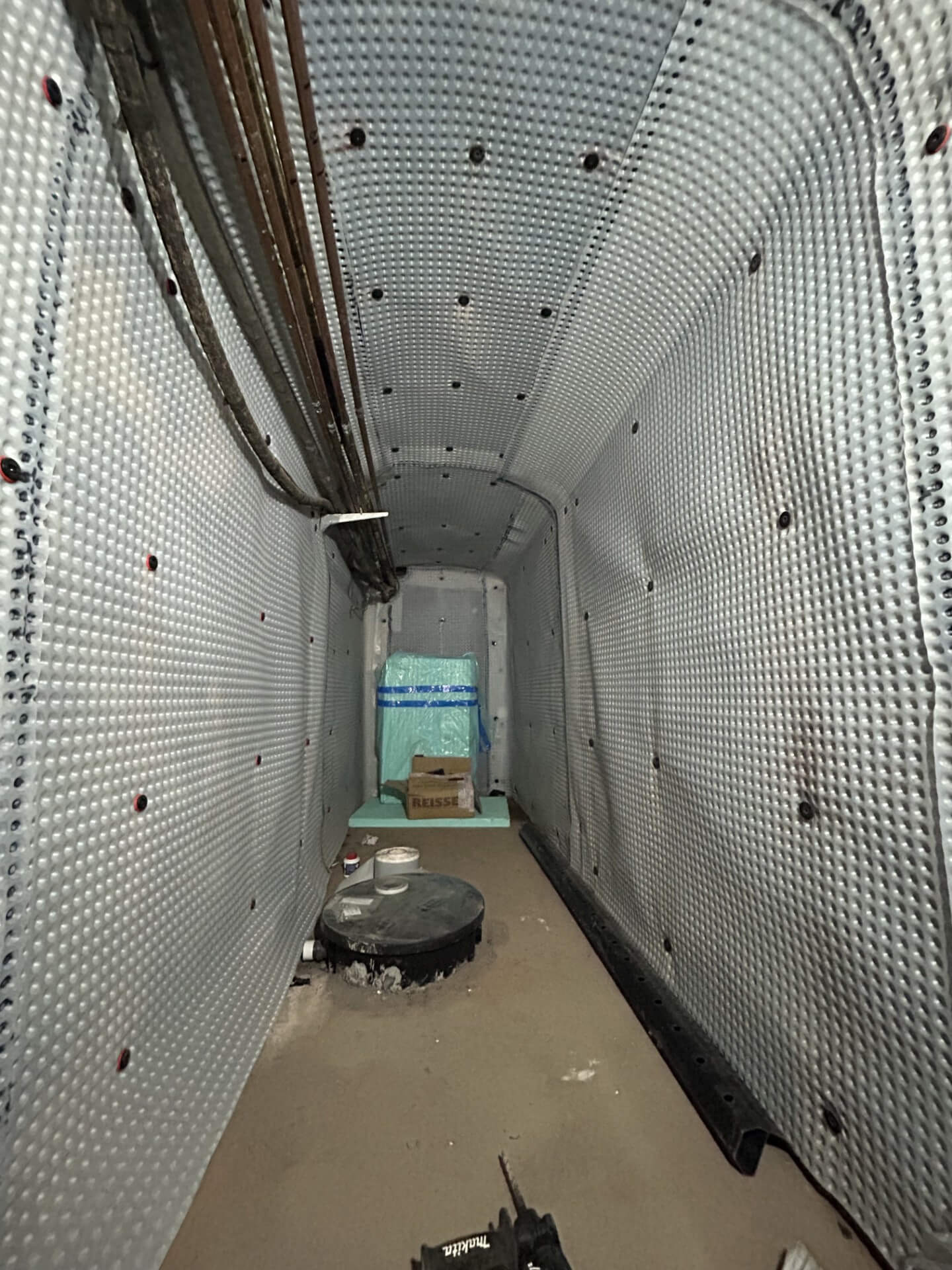
The Benefits of Type C Water Tanking: Why It’s the Best Choice for.
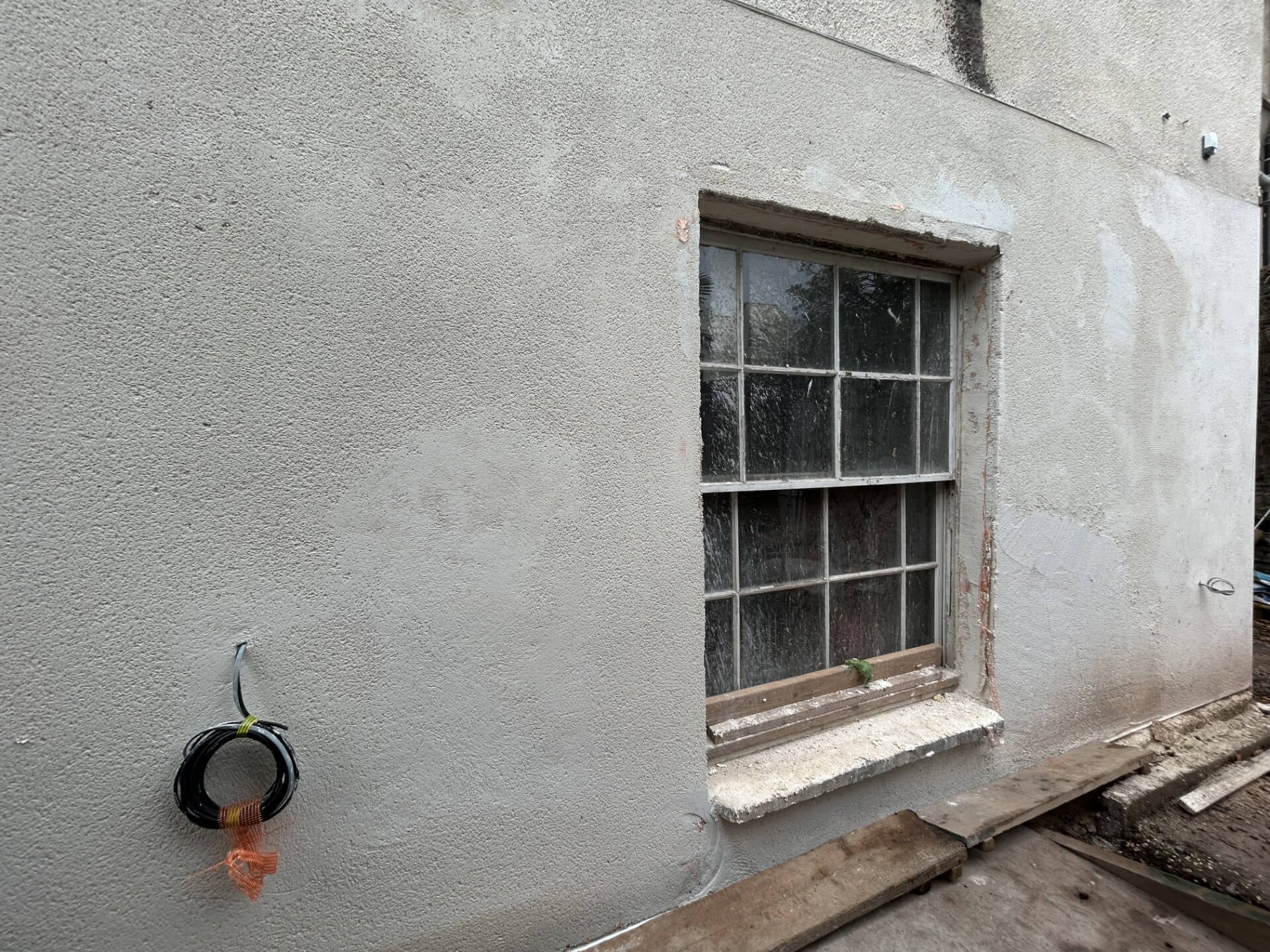
How Lime Render and Cork Insulation Transformed One of Our Bristol Retrofit Projects.

Markson Construction Recognised as a Retrofit West Trusted Professional We’re proud to announce that Markson.

If you’re looking for one of the smartest ways to increase your home’s value, a.
How Apprenticeships Are Helping Build the Future of Construction in Bristol The construction industry across.

The Property Institute (TPI) released their Service Charge Index 2026 last month and it.